

Hey there! As a supplier of Appliance Grade Phenolic Resin, I've seen firsthand how this amazing material is making waves in the automotive industry. In this blog, I'm gonna break down how Appliance Grade Phenolic Resin meets the unique requirements of the automotive world.
1. High - Performance and Durability
The automotive industry demands materials that can withstand a lot of wear and tear. Appliance Grade Phenolic Resin is up to the task. It has excellent mechanical properties. This resin can handle high levels of stress and strain without breaking down easily. Whether it's in the engine compartment, where it has to deal with vibrations and high temperatures, or in other critical parts of the vehicle, it holds its own.
For instance, in engine mounts, the resin's high - strength characteristics ensure that it can support the weight of the engine and absorb the vibrations generated. This not only improves the overall stability of the vehicle but also reduces noise and enhances the driving experience. The durability of Appliance Grade Phenolic Resin means that automotive parts made from it have a longer lifespan. This is a huge plus for car manufacturers as it reduces the need for frequent replacements, saving both time and money.
2. Heat Resistance
One of the most crucial requirements in the automotive industry is heat resistance. The engine and other components generate a significant amount of heat during operation. Appliance Grade Phenolic Resin has outstanding heat - resistant properties. It can maintain its structural integrity even at high temperatures.
In exhaust systems, for example, the resin can be used in gaskets and seals. These parts need to withstand the extreme heat of the exhaust gases. The heat resistance of Appliance Grade Phenolic Resin ensures that the gaskets don't melt or deform, preventing leaks and maintaining the efficiency of the exhaust system. This is essential for the proper functioning of the engine and for meeting environmental regulations regarding emissions.
If you're interested in a more advanced version, you can check out Modified Phenolic Resin which might offer even better heat - resistant properties for specific automotive applications.
3. Chemical Resistance
Automobiles are exposed to a variety of chemicals, including fuels, lubricants, and cleaning agents. Appliance Grade Phenolic Resin has good chemical resistance, which means it won't react with these substances easily.
In fuel systems, the resin can be used to make components such as fuel pumps and filters. The chemical resistance of the resin ensures that it doesn't corrode or degrade when in contact with gasoline or diesel. This helps to maintain the quality and performance of the fuel system. Similarly, in the areas where lubricants are used, parts made from this resin won't be affected by the oils, ensuring smooth operation and a longer service life of the components.
4. Dimensional Stability
In the automotive industry, precise dimensions are crucial. Parts need to fit together perfectly to ensure the proper assembly and functioning of the vehicle. Appliance Grade Phenolic Resin offers excellent dimensional stability. It doesn't expand or contract significantly with changes in temperature or humidity.
When manufacturing parts like brake pads and steering components, dimensional stability is essential. Brake pads need to have accurate dimensions to ensure proper braking performance. With Appliance Grade Phenolic Resin, manufacturers can be confident that the parts will maintain their shape and size over time, providing consistent performance.
5. Cost - Effectiveness
Car manufacturers are always looking for ways to reduce costs without compromising on quality. Appliance Grade Phenolic Resin offers a cost - effective solution. The raw materials used in its production are relatively inexpensive, and the manufacturing process is efficient.
Compared to some other high - performance materials, the price of Appliance Grade Phenolic Resin is quite competitive. At the same time, its long lifespan and low maintenance requirements mean that the overall cost of using it in automotive applications is significantly reduced. This makes it an attractive option for automotive manufacturers looking to optimize their production costs.
6. Versatility in Manufacturing
Appliance Grade Phenolic Resin can be used in a variety of manufacturing processes, such as compression molding and injection molding. This versatility allows automotive manufacturers to create different types of parts with complex shapes.
In compression molding, the resin can be easily shaped into large, flat parts like dashboards or body panels. Injection molding, on the other hand, is suitable for making smaller, more intricate parts like electrical connectors and sensor housings. The ability to use different manufacturing processes gives manufacturers more flexibility in designing and producing automotive components.
If you're specifically interested in resins for automotive parts, check out Automotive Parts Phenolic Resin on our website.
7. Electrical Insulation
In modern cars, there are a large number of electrical systems. Appliance Grade Phenolic Resin has good electrical insulation properties. It can be used to make components that need to isolate electrical currents, such as insulators for wires and electrical connectors.
This electrical insulation is crucial for preventing short - circuits and ensuring the safe and reliable operation of the vehicle's electrical systems. Without proper insulation, electrical malfunctions can occur, leading to anything from minor electrical glitches to major safety hazards.
8. Environmental Friendliness
The automotive industry is increasingly focused on environmental issues. Appliance Grade Phenolic Resin can be a part of the solution. It is relatively easy to recycle, and the production process can be optimized to reduce waste and emissions.
Our Ammonia Free Phenolic Resin is a great example. It is produced without using ammonia, which is not only better for the environment but also for the health of workers involved in the manufacturing process. This aligns with the automotive industry's efforts to reduce its environmental footprint and meet strict environmental regulations.

9. Compatibility with Other Materials
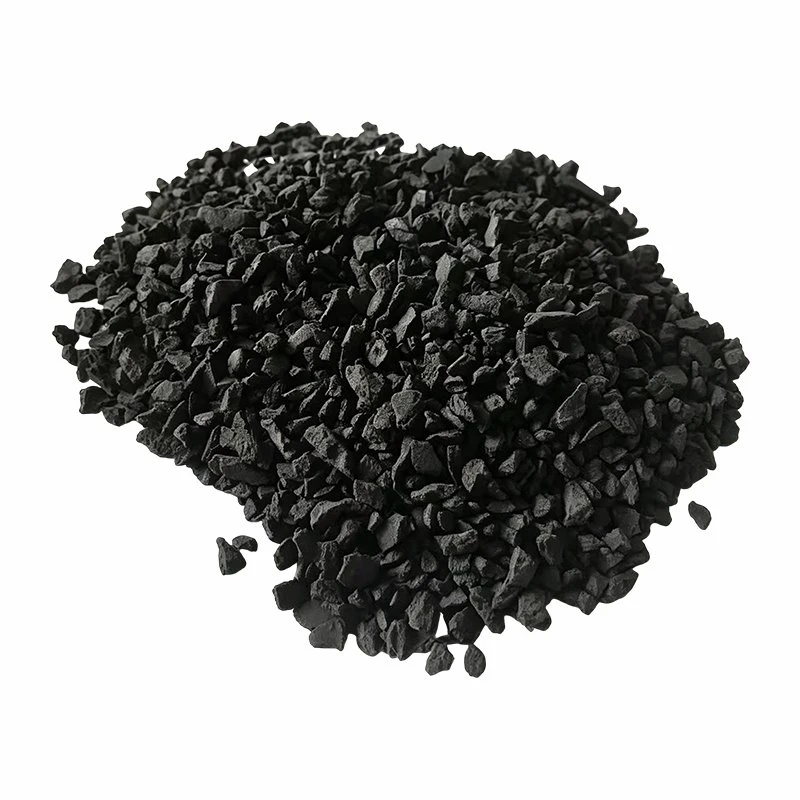
Appliance Grade Phenolic Resin can be easily combined with other materials, such as fibers and fillers. This allows manufacturers to customize the properties of the final product.
For example, adding glass fibers to the resin can significantly improve its strength and stiffness. This is useful for making parts that require high mechanical performance, like structural components in the vehicle. The compatibility with other materials also gives manufacturers the ability to create hybrid materials that offer the best of both worlds in terms of performance and cost.
Conclusion
As you can see, Appliance Grade Phenolic Resin ticks a lot of boxes when it comes to meeting the requirements of the automotive industry. Its high - performance, heat resistance, chemical resistance, dimensional stability, cost - effectiveness, versatility, electrical insulation, environmental friendliness, and compatibility with other materials make it an ideal choice for a wide range of automotive applications.
If you're in the automotive industry and looking for a reliable resin supplier, don't hesitate to reach out. Whether you need more information about Appliance Grade Phenolic Resin or our other products like Standard Grade Phenolic Resin, we're here to help you make the right choice for your business. Let's start a conversation and see how we can work together to meet your automotive resin needs.
References
- "Automotive Materials Handbook"
- "Phenolic Resins: Chemistry, Applications, Standardization, Safety and Ecology"
- Industry reports on automotive manufacturing and materials trends