

As a supplier of Electrical Bobbin Phenolic Plastic, I've witnessed firsthand the growing demand for this material in the electrical industry. One of the most critical properties that customers often inquire about is its impact resistance. In this blog, I'll delve into what impact resistance means for electrical bobbin phenolic plastic, how it's measured, and why it matters in real - world applications.
Understanding Impact Resistance
Impact resistance refers to a material's ability to withstand sudden forces or shocks without breaking, cracking, or deforming severely. For electrical bobbin phenolic plastic, this property is of utmost importance because electrical bobbins are often exposed to various mechanical stresses during manufacturing, installation, and operation.
When a bobbin is being inserted into an electrical device, it may experience bumps or knocks. During the operation of the device, vibrations can also act as a continuous source of impact - like forces. If the bobbin's material lacks sufficient impact resistance, it can lead to structural failures. These failures can cause electrical shorts, disrupt the normal functioning of the device, and even pose safety hazards.
Measuring Impact Resistance
There are several standard methods used to measure the impact resistance of materials, and two of the most common ones for electrical bobbin phenolic plastic are the Izod and Charpy impact tests.
The Izod impact test involves placing a notched sample of the plastic in a vertical position and then striking it with a pendulum. The energy absorbed by the sample during the fracture is measured, and this value is used as an indication of the material's impact resistance. A higher energy absorption value means the material can withstand more impact before breaking.
The Charpy impact test is similar, but the sample is placed horizontally, and the pendulum strikes it at the center. This test is also used to determine the energy required to fracture the sample.
For electrical bobbin phenolic plastic, the results of these tests can vary depending on factors such as the formulation of the plastic, the manufacturing process, and any additives used.
Factors Affecting Impact Resistance of Electrical Bobbin Phenolic Plastic
Formulation
The basic formulation of the phenolic plastic plays a significant role in its impact resistance. Different types of phenolic resins, when combined with fillers and other additives, can result in materials with different mechanical properties. For example, if the resin has a high cross - linking density, it can enhance the overall strength of the plastic, which in turn can improve its impact resistance.
Fillers
Fillers are often added to phenolic plastics to reduce cost, improve dimensional stability, and enhance other properties. In terms of impact resistance, fibrous fillers such as glass fibers can significantly increase the ability of the plastic to withstand impacts. Glass fibers act as reinforcement, distributing the impact forces throughout the material instead of allowing them to concentrate in one area and cause a fracture.
Manufacturing Process
The way the electrical bobbin phenolic plastic is manufactured can also affect its impact resistance. Injection molding and compression molding are two common manufacturing methods. The parameters used in these processes, such as temperature, pressure, and cooling rate, can influence the internal structure of the plastic. A well - controlled manufacturing process can produce a more homogeneous material with better impact resistance.
Impact Resistance in Different Applications
Electrical Transformers
In electrical transformers, electrical bobbins are used to hold the windings. These transformers may be subject to mechanical vibrations during operation, and the bobbins need to maintain their structural integrity. A bobbin with high impact resistance can prevent the windings from being damaged due to impacts, ensuring the long - term reliability of the transformer.
Motors
Motors also rely on electrical bobbins for their proper functioning. During the start - up and running of a motor, there are sudden changes in torque and vibrations. The impact resistance of the phenolic plastic bobbins helps to keep the electrical circuits intact and reduces the risk of motor failure.
Our Product Offerings and Their Impact Resistance
We offer a wide range of electrical bobbin phenolic plastic products, each with unique properties suitable for different applications.
The Bright Red Phenolic Molding Compound has been formulated to have excellent impact resistance. It contains a special combination of resins and fibrous fillers that distribute impact forces evenly, making it ideal for high - stress applications.
Our Wood - brown Phenolic Molding Compound is another product with good impact resistance. It has a balanced formulation that provides both good insulation properties and mechanical strength, making it suitable for a variety of electrical applications.
The Commutator Phenolic Plastic is designed specifically for commutators in electrical motors. It has high impact resistance to withstand the mechanical stresses associated with the rotation of the motor.
The Switch Parts Phenolic Plastic used in electrical switches also needs to have good impact resistance. Since switches are often manually operated, they can experience sudden impacts, and our plastic material can withstand these forces without damage.
The Purplish - red Phenolic Molding Compound is known for its enhanced impact resistance. It is a high - performance material suitable for applications where reliability and durability are crucial.
Why Impact Resistance Matters for Your Business
For businesses in the electrical industry, choosing electrical bobbin phenolic plastic with high impact resistance can lead to several benefits. Firstly, it reduces the rate of product returns due to mechanical failures. This can save your company a significant amount of money in terms of replacement costs and customer service expenses.
Secondly, it improves the overall quality and reliability of your products. When your products have a lower failure rate, it can enhance your brand reputation in the market, leading to increased customer satisfaction and loyalty.
Finally, high - impact - resistant materials can extend the lifespan of your electrical devices. This means that your customers will not need to replace their devices as frequently, which can also contribute to a more sustainable business model.

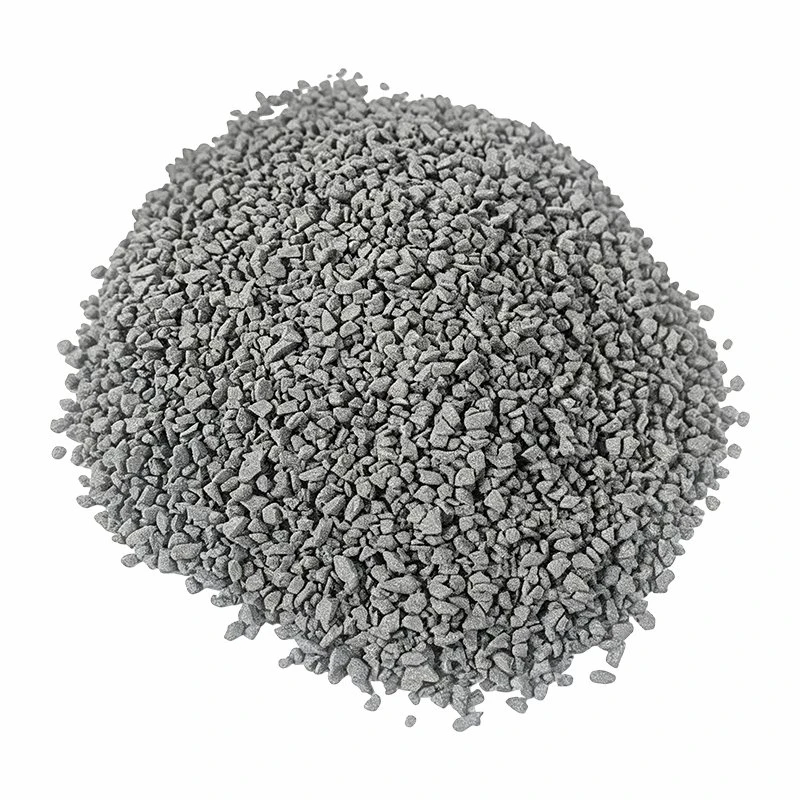
Contact Us for Your Electrical Bobbin Phenolic Plastic Needs
If you're in the market for high - quality electrical bobbin phenolic plastic with excellent impact resistance, we're here to help. Our team of experts can provide you with detailed information about our products, their properties, and how they can meet your specific application requirements. Don't hesitate to reach out to us for a quotation and to start a discussion about your procurement needs.
References
- ASTM D256 - Standard Test Methods for Determining the Izod Pendulum Impact Resistance of Plastics.
- ASTM D6110 - Standard Test Method for Determining the Charpy Impact Resistance of Notched Specimens of Plastics.
- "Handbook of Phenolic Resins" edited by H. J. Mark, J. E. Kresta, and R. M. Luck.