

Cost - effectiveness is a critical factor in material selection for various industries, especially in the electrical sector. As a supplier of Electrical Bobbin Phenolic Plastic, I have witnessed firsthand the growing interest in understanding how this material stacks up against others in terms of cost - effectiveness. In this blog, we will delve into the cost - effectiveness of electrical bobbin phenolic plastic compared to other commonly used materials.
Understanding Electrical Bobbin Phenolic Plastic
Electrical bobbin phenolic plastic is a type of thermosetting plastic that has been widely used in electrical applications for its excellent electrical insulation properties, mechanical strength, and heat resistance. Electrical Components Phenolic Plastic is specifically formulated to meet the demanding requirements of electrical bobbins, which are essential components in transformers, inductors, and other electrical devices.
One of the key advantages of phenolic plastic is its ability to maintain its properties under high temperatures. This is crucial in electrical applications where heat generation is a common issue. Phenolic plastic can withstand temperatures up to several hundred degrees Celsius without significant degradation, ensuring the long - term reliability of electrical bobbins.
Cost - effectiveness Analysis: Initial Investment
When comparing the cost - effectiveness of electrical bobbin phenolic plastic with other materials, we first need to consider the initial investment. The raw material cost of phenolic plastic can vary depending on the grade and formulation. However, in general, phenolic plastic is competitively priced compared to some high - end engineering plastics.
For example, compared to some exotic polymers with similar electrical properties, Bright Red Phenolic Molding Compound offers a more affordable option for manufacturers. The manufacturing process of electrical bobbins using phenolic plastic is also relatively simple and cost - efficient. Phenolic plastic can be molded into complex shapes using compression molding or injection molding techniques, which eliminates the need for extensive machining processes. This reduces the overall production cost, especially for high - volume manufacturing.

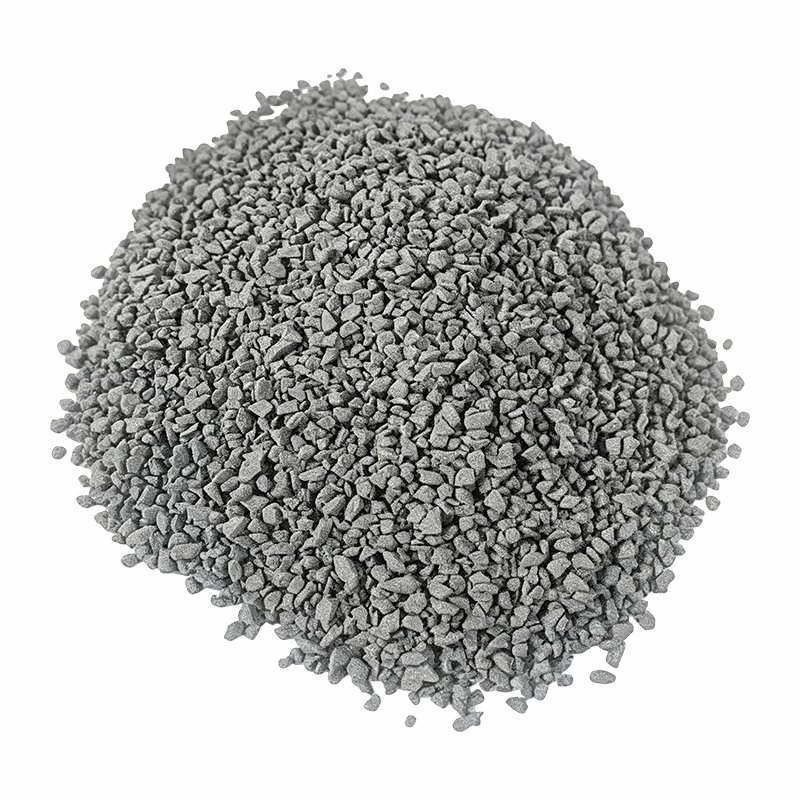
On the other hand, materials like ceramics or some advanced composite materials may require more expensive raw materials and complex manufacturing processes. Ceramics often require high - temperature sintering processes, which consume a large amount of energy and increase the production cost. Composite materials may need specialized equipment and labor - intensive processes, leading to higher initial investment.
Cost - effectiveness Analysis: Operating Cost
In addition to the initial investment, the operating cost is another important aspect of cost - effectiveness. Electrical bobbins made of phenolic plastic have low maintenance requirements. Their excellent electrical insulation properties and chemical resistance ensure that they can operate in harsh environments without significant degradation. This reduces the need for frequent replacement or maintenance, resulting in lower operating costs.
Switch Parts Phenolic Plastic used in electrical bobbins also has good dimensional stability. It can maintain its shape and size under different operating conditions, which is crucial for the proper functioning of electrical devices. In contrast, some materials may expand or contract significantly with temperature and humidity changes, leading to misalignment or malfunction of the electrical components. This can result in increased downtime and maintenance costs.
Moreover, the energy efficiency of electrical bobbins made of phenolic plastic contributes to lower operating costs. The low dielectric loss of phenolic plastic reduces the energy consumption in electrical devices. This not only saves energy but also reduces the heat generated in the system, further improving the reliability and lifespan of the electrical components.
Cost - effectiveness Analysis: Lifespan and Durability
The lifespan and durability of electrical bobbins are directly related to their cost - effectiveness. Phenolic plastic offers excellent durability in electrical applications. It can resist mechanical stress, chemical corrosion, and electrical arcing. Electrical bobbins made of Wood - brown Phenolic Molding Compound can last for a long time, even in demanding industrial environments.
Compared to some traditional materials like wood or rubber, phenolic plastic has a much longer lifespan. Wood is prone to rot and insect damage, and rubber may degrade over time due to exposure to heat, oxygen, and chemicals. This means that electrical bobbins made of wood or rubber may need to be replaced more frequently, which increases the overall cost.
In some cases, the lifespan of electrical bobbins made of phenolic plastic can be several times longer than those made of alternative materials. This extended lifespan reduces the total cost of ownership over the life cycle of the electrical device.
Cost - effectiveness in Environmental Considerations
Environmental considerations are becoming increasingly important in material selection. Phenolic plastic can be a cost - effective option from an environmental perspective. It is a recyclable material, which reduces the waste generated during the manufacturing process and at the end - of - life of the electrical bobbins.
Some alternative materials may be difficult to recycle or may require specific treatment methods, which can add to the environmental cost. For example, certain types of plastics with complex chemical structures may need specialized recycling facilities, and some metals may require energy - intensive refining processes for recycling. In contrast, recycled phenolic plastic can be reused in the manufacturing of new electrical bobbins or other phenolic products, reducing the reliance on virgin materials and lowering the overall cost.
Cost - effectiveness in Specific Applications
In specific electrical applications, the cost - effectiveness of electrical bobbin phenolic plastic becomes even more apparent. For example, in the production of electrical coils, Coil Insulation Material made of phenolic plastic provides a cost - efficient solution. The high - quality insulation properties of phenolic plastic ensure the safety and performance of the coils, while the relatively low cost of manufacturing and long - term durability make it an ideal choice for large - scale production.
In the automotive electrical industry, where cost control and reliability are of utmost importance, electrical bobbins made of phenolic plastic can meet the requirements. The ability of phenolic plastic to withstand the high - vibration and high - temperature conditions in automotive engines makes it a reliable choice. At the same time, the cost - effectiveness of phenolic plastic helps automotive manufacturers to reduce the production cost without sacrificing the quality of the electrical components.
Conclusion and Call for Contact
In conclusion, electrical bobbin phenolic plastic offers significant cost - effectiveness compared to other materials in terms of initial investment, operating cost, lifespan, environmental considerations, and specific applications. Its excellent electrical and mechanical properties, combined with its relatively low cost, make it a preferred choice for many electrical manufacturers.
If you are in the market for high - quality and cost - effective electrical bobbin phenolic plastic, I encourage you to contact us for a detailed discussion. We can provide you with samples, technical specifications, and competitive pricing. Our team of experts is ready to assist you in finding the best solution for your specific needs.
References
- "Handbook of Thermoset Plastics" by James economy.
- "Electrical Insulating Materials and Applications" by various authors, published by IEEE.
- Industry reports on the electrical components market.