

As a supplier specializing in electrical insulation materials, we understand the critical role these materials play in various electrical applications. One factor that significantly impacts the performance and longevity of electrical insulation materials is vibration. In this blog post, we will explore how vibration affects electrical insulation materials and discuss its implications for different types of insulation.
The Basics of Electrical Insulation Materials
Before delving into the effects of vibration, it's important to understand the function and types of electrical insulation materials. Electrical insulation materials are used to prevent the flow of electric current between conductive parts and to protect equipment and personnel from electrical hazards. They come in various forms, including polymers, ceramics, glass, and composites, each with its unique properties and applications.
Some common electrical insulation materials we supply include Wood - brown Phenolic Molding Compound, Ev Battery Insulation, Commutator Phenolic Plastic, Resin for Electrical Insulation, and Tracking Resistant Phenolic Plastic. These materials are widely used in industries such as automotive, aerospace, power generation, and electronics.
Effects of Vibration on Electrical Insulation Materials
Mechanical Stress and Fatigue
Vibration subjects electrical insulation materials to continuous mechanical stress. Over time, this stress can lead to fatigue in the material. Fatigue occurs when the material experiences repeated loading and unloading cycles, causing microscopic cracks to form and propagate. As these cracks grow, the integrity of the insulation is compromised, leading to a reduction in its dielectric strength and insulation resistance.
For example, in a motor or a generator, the constant vibration from the rotating parts can cause the insulation materials around the windings to develop cracks. These cracks can allow moisture, dirt, and other contaminants to penetrate the insulation, further degrading its performance.
Loosening of Connections
Vibration can also cause the loosening of electrical connections within a system. When connections become loose, the contact resistance between conductors increases. This increase in resistance can lead to overheating, which in turn can damage the insulation material.
In addition, loose connections can create intermittent electrical contacts, resulting in arcing and sparking. These phenomena can generate high - energy electrical discharges that can erode the insulation material and cause premature failure.
Abrasion and Wear
In environments with high levels of vibration, electrical insulation materials may come into contact with other components, leading to abrasion and wear. The rubbing action between the insulation and adjacent parts can physically remove the material, reducing its thickness and protective capabilities.
For instance, in some industrial machinery, the insulation on cables may rub against metal frames due to vibration. As the insulation wears away, the risk of electrical short - circuits and malfunctions increases.
Impact on Bonding and Adhesion
Many electrical insulation materials rely on bonding or adhesion to stay in place and provide effective insulation. Vibration can disrupt these bonds, causing the insulation to delaminate or separate from the substrate.
In composite insulation materials, which often consist of multiple layers bonded together, vibration can cause inter - layer separation. This separation can create air gaps, which are poor insulators and can lead to the development of partial discharges. Partial discharges can gradually degrade the insulation material over time, reducing its service life.
Impact on Different Types of Electrical Insulation Materials
Polymer - based Insulation
Polymer - based insulation materials, such as plastics and rubber, are commonly used in electrical applications due to their flexibility, ease of processing, and good electrical properties. However, they are also susceptible to vibration - induced damage.
Polymers can experience viscoelastic behavior under vibration, which means they can deform and recover over time. Prolonged vibration can cause the polymer chains to break or become misaligned, leading to a decrease in mechanical strength and insulation performance. For example, the insulation on flexible cables made of polyethylene or polyvinyl chloride can crack or become brittle due to vibration, especially in cold environments.
Ceramic Insulation
Ceramic insulation materials are known for their high temperature resistance and good electrical insulation properties. However, they are relatively brittle and can be prone to cracking under vibration. The high - frequency vibrations can cause micro - cracks to form in the ceramic structure, which can then grow and lead to complete failure of the insulation.
In high - voltage applications, such as power transmission lines, the vibration from wind or other external sources can pose a significant threat to ceramic insulators. The development of cracks in ceramic insulators can compromise their ability to withstand electrical stress and can lead to flashovers and power outages.
Composite Insulation
Composite insulation materials, which combine the properties of different materials, are often used to achieve a balance of mechanical and electrical performance. However, as mentioned earlier, vibration can cause delamination between the different layers of the composite.
For example, in a composite insulation consisting of a resin matrix and fiber reinforcement, vibration can cause the fibers to separate from the resin. This separation can reduce the overall strength and insulation performance of the composite, making it less effective in protecting electrical components.
Mitigating the Effects of Vibration on Electrical Insulation Materials
Design Considerations
When designing electrical systems, it's important to consider the potential effects of vibration. This can include using vibration - isolation mounts to reduce the transmission of vibration from the source to the insulation materials. Additionally, proper support and securing of electrical components can help prevent excessive movement and reduce the stress on the insulation.

Material Selection
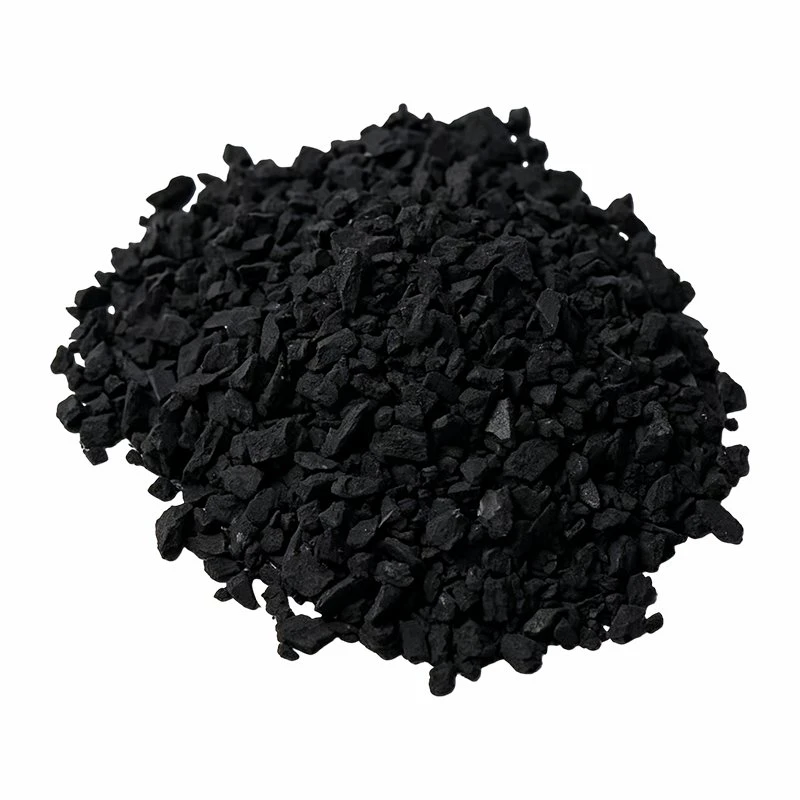
Choosing the right insulation material for the specific application is crucial. Some materials are more resistant to vibration than others. For example, rubber - based insulation materials are generally more flexible and can better withstand vibration compared to brittle materials like ceramics. In high - vibration environments, it may be beneficial to select insulation materials with high mechanical strength and toughness.
Regular Inspection and Maintenance
Regular inspection and maintenance of electrical systems are essential to detect any signs of vibration - induced damage early. Inspections can include visual checks for cracks, looseness of connections, and signs of wear. Non - destructive testing methods, such as ultrasonic testing or thermography, can also be used to detect internal damage in insulation materials.
Conclusion
Vibration has a significant impact on the performance and durability of electrical insulation materials. Understanding these effects is crucial for designing reliable electrical systems and selecting the appropriate insulation materials. As a trusted supplier of electrical insulation materials, we offer a wide range of products that are designed to meet the diverse needs of our customers, even in challenging, high - vibration environments.
If you are in the market for high - quality electrical insulation materials and need more information about how our products can withstand vibration, or if you would like to discuss your specific requirements, please feel free to reach out. We are here to assist you with all your insulation needs and look forward to the opportunity to engage in a productive purchasing discussion with you.
References
- Grover, W. M. (1997). Electrical Insulation Engineering. Marcel Dekker.
- Cavallini, A., Montanari, G. C., & Mazzanti, G. (2001). Electrical Insulation for Rotating Machines: Design, Evaluation, Aging, Testing, and Repair. Wiley - Interscience.
- Tu, J. P., & Zhang, Y. F. (2015). Effect of Vibration on Electrical Insulation Performance of Power Cables. Journal of Electrical Engineering and Technology, 10(6), 1963 - 1969.